

What Are Screws? Types, Uses, Applications, and Selection Guide
Screws are essential fasteners used in various industries, construction, machinery, and everyday applications. Whether you're assembling furniture, working on a construction project, or handling mechanical work, knowing the types of screws and how to choose them is crucial. This guide will provide a comprehensive overview of screws, their functions, types, applications, and how to select the right screw for your needs.
Table of Contents
- 1. What Are Screws?
- 2. Different Types of Screws
- 3. What Are the Applications of Screws?
- 4. How to Select the Right Screw?
- 5. How Are Screws Manufactured?
- 6. How to Install Screws Properly?
- 7. Common Issues with Screws and How to Solve Them
- 8. Environmental and Safety Considerations in Screw Usage
- Frequently Asked Questions
1. What Are Screws?
1. Definition and Basic Structure of Screws
Screws are threaded fasteners that are used to join materials together. The basic structure of a screw consists of:
- Shaft: The long, cylindrical part that carries the thread.
- Thread: The spiral ridge on the shaft that enables the screw to cut into or grip the material.
- Head: The top part, usually wider, used to turn or drive the screw into the material.
2. How Screws Differ from Other Fastening Methods
Unlike nails, screws have threads that grip materials tightly, which allows them to hold securely and be removed if necessary. Bolts are similar but typically require nuts to complete the fastening process. Screws, however, function independently and can provide more control over the tightness.
3. The Importance of Screws in Construction, Machinery, and Daily Life
Screws are widely used in construction, machinery, electronics, and even furniture assembly, playing a vital role in ensuring strong, durable, and adjustable connections.
2. Different Types of Screws
1. Wood Screws: Features and Uses in Woodworking
Wood screws are designed to penetrate and hold in wood materials. They typically have coarse threads that provide a strong grip in wood and are often equipped with a sharp point to make insertion easier.
2. Machine Screws: How They Are Used in Machinery and Equipment
Machine screws are used in machinery and industrial applications. They have finer threads and are typically used with nuts or threaded holes in metal or plastic materials. They are designed for precise fitting.
3. Self-Tapping Screws: What Makes Them Different and When to Use Them
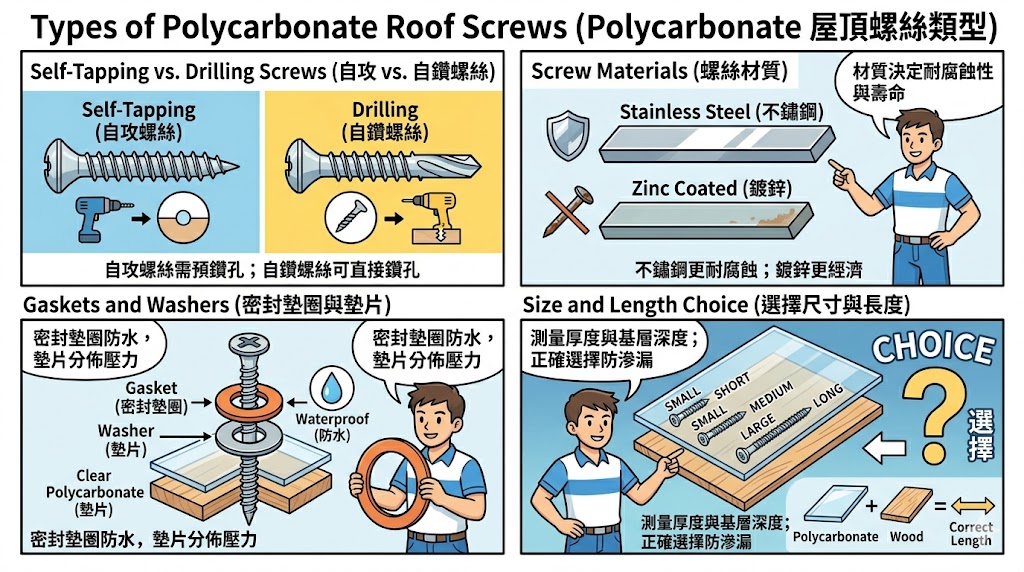
Self-tapping screws are designed to create their own thread as they are driven into a material. They are particularly useful in soft metals or plastics and do not require pre-drilled holes.
4. Sheet Metal Screws: Their Role in Metalworking
Sheet metal screws are used to fasten thin metal sheets together. These screws typically feature sharp threads and a flat head to avoid damaging the material.
5. Specialty Screws: Eyeglass Screws, Drywall Screws, and Others
Specialty screws are made for specific applications. For example, eyeglass screws are small, delicate screws used in eyewear frames, while drywall screws are used to attach drywall to wooden or metal studs.
3. What Are the Applications of Screws?
1. Screws in Construction: Structural and Non-Structural Uses
Screws are commonly used in both structural and non-structural applications in the construction industry. They help to fasten components like beams, metal frames, and panels, providing strong connections and ease of assembly.
2. Screws in Machinery and Equipment: Functionality in Industrial Design
In machinery and equipment, screws are essential for holding parts together. They are used in motors, engines, automobiles, and electronics, where strength, precision, and durability are necessary.
3. Household Applications: Common Uses in Furniture, Electronics, and Fixtures
Screws are frequently used in furniture assembly, electronic devices, and fixtures. Whether it's assembling bookshelves, installing light fixtures, or mounting televisions, screws offer strong connections.
4. Screws in Automotive and Aerospace Industries
In automotive and aerospace sectors, screws are used to secure parts of vehicles and aircraft, where strength, reliability, and precision are paramount. These industries rely on screws for safety-critical applications like engines and suspension systems.
4. How to Select the Right Screw?
1. Choosing the Right Size: Thread Count, Length, and Diameter
To select the right screw, you need to consider the thread count (how tightly the threads are spaced), length, and diameter. The size of the screw should be appropriate for the material being fastened and the type of connection required.
2. Material Selection: Steel, Stainless Steel, Brass, and Other Materials
Different materials have varying strengths, corrosion resistance, and flexibility. Common materials for screws include steel for strength, stainless steel for corrosion resistance, and brass for non-corrosive properties in electronic devices.
3. Head Type: Flat, Pan, Hex, and More — Which One to Choose?
The head type of a screw determines how it can be driven and whether it will be visible once inserted. Common head types include flat, pan, and hex, with each type suited to specific tasks.
4. Consider the Environment: Corrosion Resistance and Coating Types
For applications exposed to moisture or chemicals, it is crucial to select screws with corrosion-resistant coatings or made from materials such as stainless steel or coated screws.
5. How Are Screws Manufactured?
1. The Screw-Making Process: From Raw Material to Finished Product
Screws are typically made through processes like cold forging, machining, or casting. These processes involve shaping the raw material into a screw with precise threads, heads, and lengths.
2. Common Screw Manufacturing Methods: Cold Forging, Machining, and Casting
Cold forging: A process where the screw is shaped at room temperature, ensuring high strength and precision. Machining: This involves cutting the threads onto a screw blank, which is typically used for custom screws or when very specific dimensions are required. Casting: Used for screws made from materials that cannot be forged, this process involves pouring molten metal into a mold.
3. Quality Control in Screw Manufacturing: Ensuring Precision and Reliability
Manufacturers conduct rigorous quality control checks to ensure screws meet required standards for size, strength, and durability.
6. How to Install Screws Properly?
1. Tools Used for Screwing: Manual and Electric Screwdrivers, Drills
To install screws, you can use a manual screwdriver or an electric drill. The choice of tool depends on the size of the screw and the material being fastened.
2. Proper Technique: How to Avoid Damaging the Material or the Screw
When driving a screw, make sure to align it properly, apply consistent pressure, and avoid over-tightening, which can damage both the screw and the material.
3. Tightening and Torque Considerations: How to Ensure the Right Fit Without Over-tightening
Always follow the recommended torque settings for the screw to ensure it is tight enough for a secure connection but not too tight to cause damage.
7. Common Issues with Screws and How to Solve Them
1. Stripped Screw Heads: How to Remove Them
Stripped screw heads can be challenging to remove. You can try using a rubber band or drill to remove a stripped screw. In severe cases, specialized tools like extractors may be needed.
2. Screws That Won’t Go In: What to Do When Screws Don’t Fit or Stick
If a screw doesn’t fit, check if the hole is the right size or if the material is too hard. Drill a pilot hole or adjust the screw size accordingly.
3. Rusty or Corroded Screws: How to Prevent and Treat Corrosion
To prevent rust, choose corrosion-resistant screws. If screws are already rusty, you can use a rust remover or penetrating oil to loosen them.
8. Environmental and Safety Considerations in Screw Usage
1. Ensuring Safety During Installation: Protecting Your Hands and Eyes
Always wear protective gloves and safety glasses when working with screws, especially when using power tools.
2. Environmental Impact: Recycling Screws and Using Sustainable Materials
Recycling screws and choosing eco-friendly materials can reduce environmental impact. Some screws come with sustainable coatings to help reduce waste.
3. Choosing the Right Screw for Specific Environments (e.g., Marine, Outdoor Use)
Consider environmental factors like moisture, corrosive elements, and extreme temperatures when selecting screws. For outdoor or marine applications, stainless steel or coated screws are ideal.
Frequently Asked Questions
Q1: What are screws?
A: Screws are threaded fasteners that are used to join materials together. They are typically made of metal and come in various shapes, sizes, and materials depending on their intended use.
Q2: What types of screws are there?
A: There are many types of screws, including wood screws, machine screws, self-tapping screws, sheet metal screws, and specialty screws designed for specific applications like eyeglasses or furniture.
Q3: How do I select the right screw?
A: To select the right screw, consider the material you’re working with, the size and type of screw needed, and the environment (e.g., moisture levels) to choose the best material and coating.
Q4: How are screws manufactured?
A: Screws are typically made through methods like cold forging, machining, or casting. Quality control ensures that the screws meet precise standards for size and reliability.
Q5: How do I properly install a screw?
A: Use the correct tool (manual screwdriver or power tool), and ensure that you’re using the right type and size of screw. Tighten the screw properly to avoid over-tightening or damaging the material.
